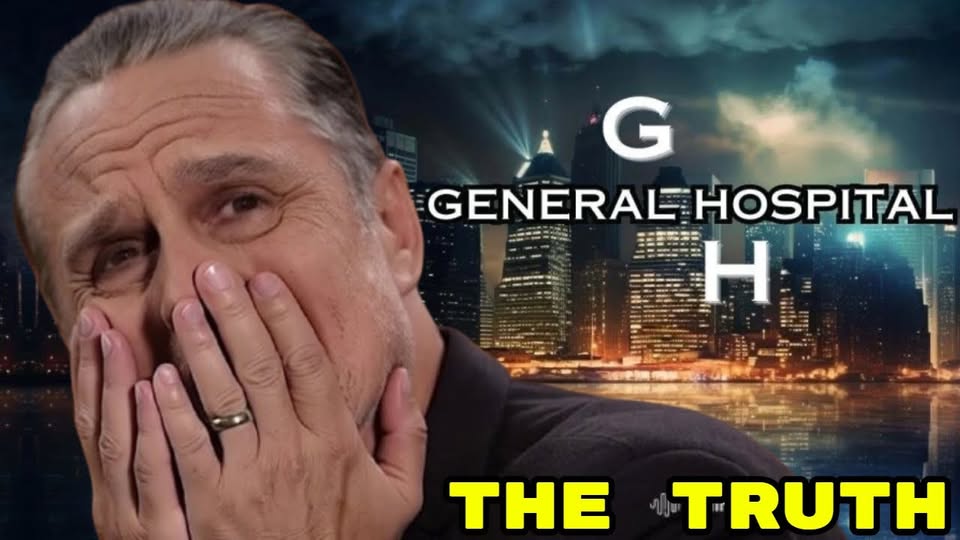
- Maurice Benard Shares Powerful Holiday Message on Mental Health as General Hospital Fans Rally in Support
- A Legendary Career as Sonny Corinthos
- The State of Mind Podcast: Changing the Conversation on Mental Health
- A Holiday Message That Struck a Chord
- Redefining Mental Health With Radical Honesty
- Finding Joy in Connection and Purpose
- A Community United by Openness and Support
- Looking Ahead
Maurice Benard Shares Powerful Holiday Message on Mental Health as General Hospital Fans Rally in Support
Beloved General Hospital star Maurice Benard has once again touched hearts across the soap community, sharing a deeply moving and inspirational message during the holiday season that has resonated far beyond social media. Known for both his legendary portrayal of Sonny Corinthos and his outspoken mental health advocacy, Benard reminded fans of the importance of emotional honesty, gratitude, and self-acceptance.
A Legendary Career as Sonny Corinthos
Maurice Benard is undeniably one of the most iconic figures in daytime television history. Since debuting as Sonny Corinthos on General Hospital in 1993, Benard has transformed what was originally intended to be a six-month role into one of the longest-running and most influential characters in soap opera history.
Over the past three decades, Benard has brought remarkable depth to Sonny—portraying everything from ruthless mob power plays and epic romances to deeply personal struggles with bipolar disorder. His nuanced performances have earned him multiple Daytime Emmy Awards and nominations, solidifying his status as a cornerstone of General Hospital.
TV Soap Operas
Benard’s ability to shift seamlessly between commanding authority and raw vulnerability has allowed Sonny Corinthos to evolve into a cultural touchstone for generations of viewers. His appearances in spin-offs such as Port Charles further expanded the character’s legacy and the interconnected world of the show.
The State of Mind Podcast: Changing the Conversation on Mental Health
Benard’s influence extends well beyond the screen. Through his groundbreaking podcast, State of Mind, he has become one of the most visible mental health advocates in the entertainment industry.
The podcast provides a safe, open space for honest conversations about bipolar disorder, anxiety, depression, trauma, addiction, and recovery. Drawing from his own lived experience, Benard approaches each discussion with vulnerability and empathy, often joined by fellow actors and public figures who share their own mental health journeys.
TV & Video
What makes State of Mind truly impactful is Benard’s refusal to sanitize the conversation. He openly discusses the realities of living with mental illness, helping dismantle stigma and offering listeners validation, hope, and practical insight. For many fans, the podcast has become a lifeline—proof that success and mental health struggles can coexist.
A Holiday Message That Struck a Chord
Just before the holidays, Benard shared a heartfelt Instagram post that quickly went viral within the General Hospital fandom. Rather than a typical festive greeting, he offered a deeply personal list of things he considers “good” in life—a message rooted in gratitude, acceptance, and emotional truth.
He began with everyday blessings, expressing gratitude for having a job and openly praising the importance of therapy. As a public figure, his advocacy for mental health treatment carries immense weight, helping normalize seeking professional help as an act of strength rather than weakness.
Benard also shared personal joys that ground him, including his love of boxing, his devotion to the San Francisco 49ers, and the comfort he finds in simple routines. These moments, he emphasized, are often where true happiness lives.
Redefining Mental Health With Radical Honesty
Perhaps the most powerful statements in Benard’s post were his reflections on mental illness itself. In a bold and deeply moving declaration, he wrote that it is “good” to be bipolar and to have anxiety and depression—words that challenge long-standing societal stigma.
Rather than viewing mental illness as something shameful, Benard reframed it as part of the human experience. He also emphasized that it is good to cry, validating emotional expression in a culture that often discourages vulnerability, especially among men. At the same time, he reminded fans that it is also good to feel joy—embracing the full spectrum of human emotion.
Finding Joy in Connection and Purpose
Benard went on to highlight the importance of friendships, time with animals, and moments spent with his grandchildren. These relationships, he noted, bring peace, perspective, and meaning—especially during difficult times.
He also spoke about prayer and spirituality as a source of comfort and grounding. For many facing mental health challenges, faith can provide hope and connection during moments of uncertainty.
The actor expressed deep gratitude for State of Mind, acknowledging that knowing his work helps others gives his advocacy profound purpose. He closed his message with a simple but powerful truth: “It’s great to be alive.”
Coming from someone who has openly battled bipolar disorder, those words carried extraordinary weight.
Romance
A Community United by Openness and Support
The timing of Benard’s message resonated strongly within the General Hospital community. Fellow alum Chris McKenna recently appeared on State of Mind, publicly sharing his own bipolar diagnosis. Together, their openness created a ripple effect of support, inspiring fans to speak honestly about their own mental health journeys.
Social media quickly filled with messages of gratitude, solidarity, and shared experiences. Fans at every stage of healing found comfort and validation in Benard’s words.
Looking Ahead
Maurice Benard continues to prove that being a public figure comes with the opportunity—and responsibility—to create meaningful change. By using his platform to promote mental health awareness, reduce stigma, and encourage authenticity, he has helped countless people feel less alone.
His message is clear: it’s okay to struggle, it’s okay to seek help, and it’s possible not just to survive—but to truly live.